When warmer months roll in, so do the bugs. Mosquitoes, flies, aphids, and other pests can turn your peaceful backyard into a battlefield. But what if you could fight back—naturally?
That’s where nature’s own bug repellents come in. Certain plants have built-in properties that repel insects, keeping your home and garden more enjoyable without resorting to harmful chemicals.
Here are 16 powerful plants that keep bugs away—beautiful, functional, and safe for your family and pets.
🌱 1. Lavender – Mosquitoes Hate It
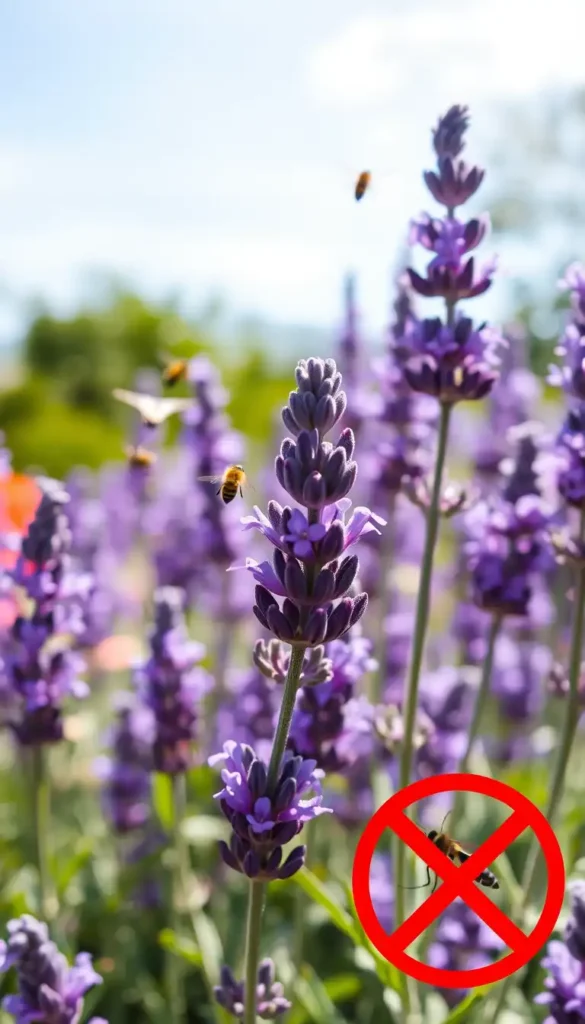
Best for: Repelling mosquitoes, moths, flies, and fleas.
Lavender’s soothing scent might calm you down, but it sends pests running. Its essential oils act as a natural insect repellent. Plant it near entryways, windows, or outdoor seating areas, or dry the flowers and place them inside drawers and closets.
Pro Tip: Rub a few lavender leaves on your skin for an all-natural bug repellent.
🌿 2. Lemongrass – Citronella in Plant Form
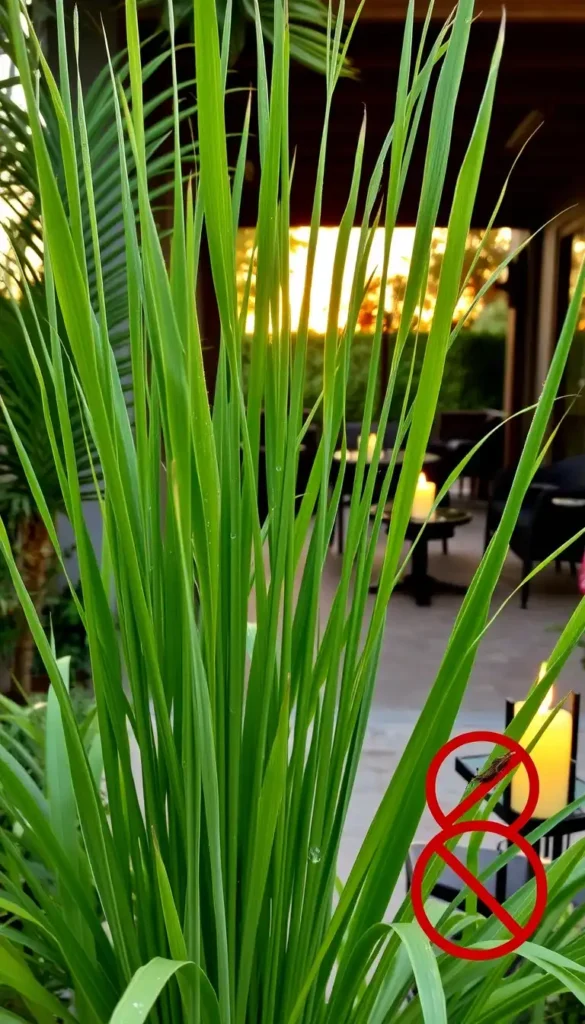
Best for: Mosquitoes.
Lemongrass contains citronella oil, a powerful natural mosquito repellent. Tall, ornamental, and fragrant, it thrives in warm climates and adds a tropical vibe to any garden.
Did you know? Most citronella candles are made using lemongrass oil.
🌼 3. Marigolds – Colorful & Bug-Repelling
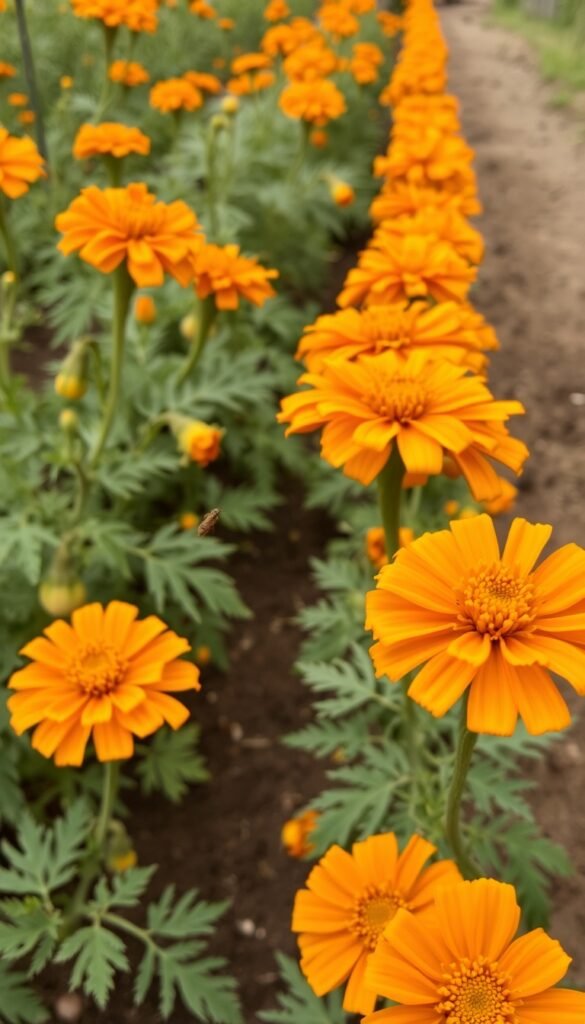
Best for: Aphids, mosquitoes, whiteflies.
Marigolds are not just decorative; they produce pyrethrum, a compound used in many natural insecticides. Plant them around vegetables or windows to protect your home and garden.
Gardener’s Hack: Add marigolds around tomato or pepper plants to ward off aphids.
🌿 4. Basil – Fresh Flavor, Fewer Flies
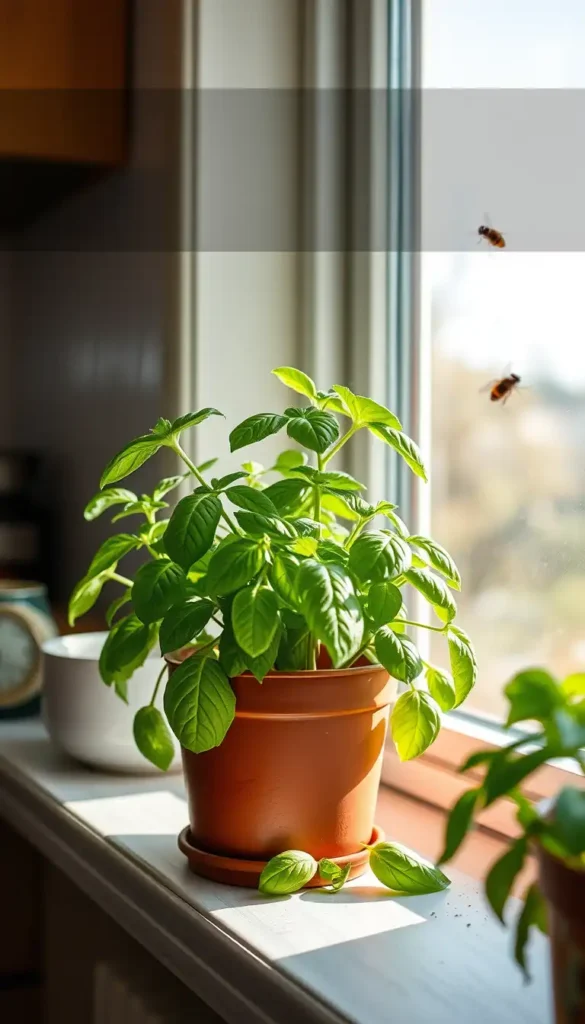
Best for: Flies, mosquitoes.
Besides enhancing your pasta sauce, basil is a fly-repelling powerhouse. Keep potted basil on kitchen windowsills or near patios. It thrives in sunlight and doubles as an easy-access cooking ingredient.
Try this: Make a DIY basil spray to mist around doorways.
🌼 5. Chrysanthemums – Natural Insecticides
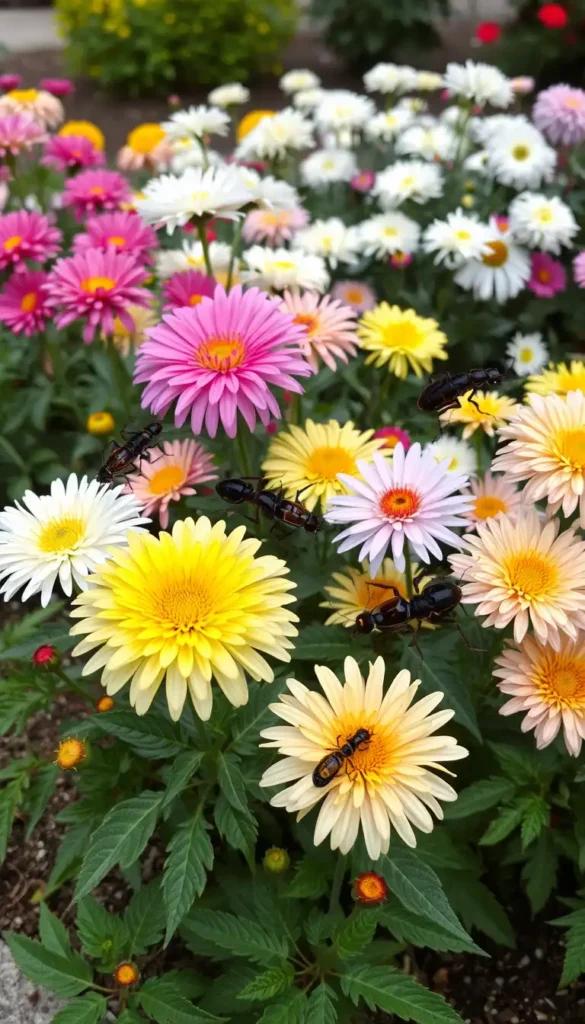
Best for: Roaches, ants, beetles, lice, fleas.
Chrysanthemums (or “mums”) produce pyrethrin, which targets a wide range of insects. Many commercial insect repellents use extracts from this flower.
Note: Keep away from pets—chrysanthemums can be toxic to cats and dogs.
🍋 6. Lemon Balm – A Sweet-Scented Shield
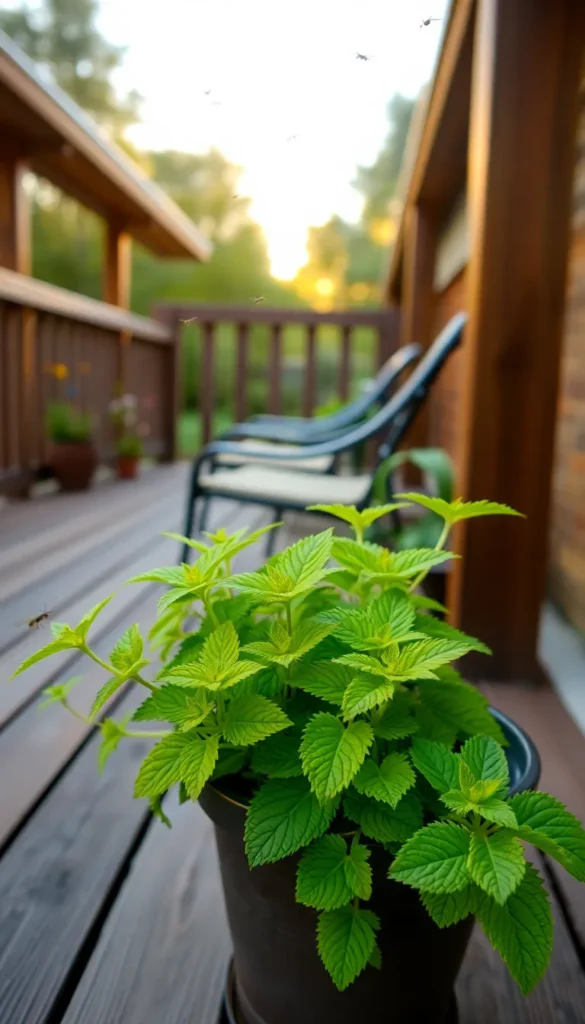
Best for: Mosquitoes.
A relative of mint, lemon balm smells delightful to humans—but bugs hate it. It’s a hardy plant that grows well in pots, making it ideal for balconies or patios.
Bonus: It attracts beneficial pollinators like bees.
🌿 7. Peppermint – Multipurpose Pest Repellent
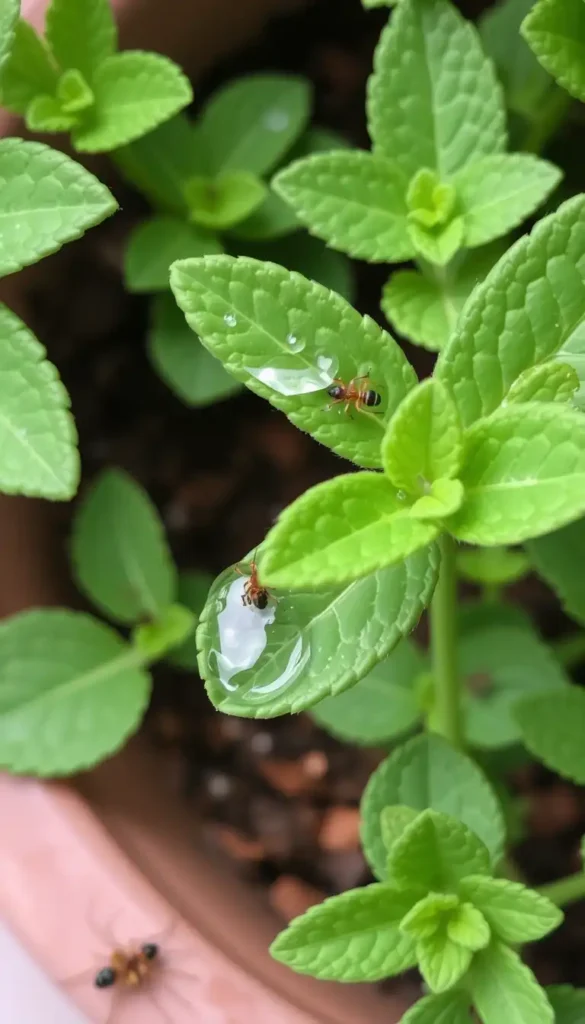
Best for: Ants, mosquitoes, spiders, fleas, flies.
The sharp scent of peppermint overwhelms bugs’ senses. Grow it in containers (it spreads aggressively) and use fresh leaves to make a peppermint bug spray.
Extra Tip: Crushed peppermint leaves rubbed on skin can deter mosquitoes.
🌼 8. Petunias – Nature’s Pesticide
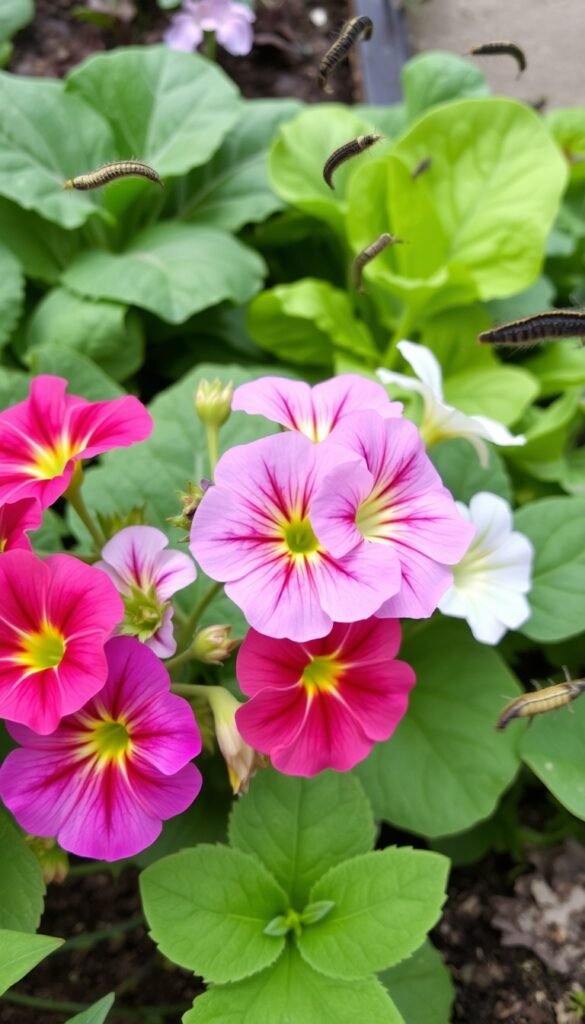
Best for: Aphids, hornworms, leafhoppers.
These vibrant blooms act as a natural pesticide and are great for vegetable gardens. They’re low-maintenance and come in a rainbow of colors.
Good to Know: Petunias also attract hummingbirds and pollinators.
🌿 9. Rosemary – Fragrant & Functional
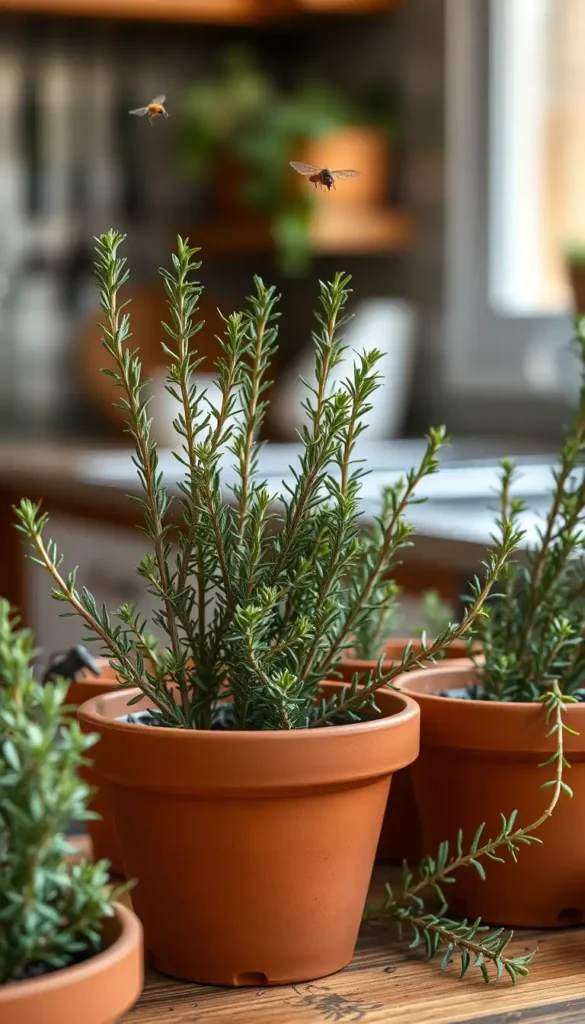
Best for: Mosquitoes, cabbage moths, carrot flies.
This woody herb isn’t just for seasoning meat. Rosemary can be grown in the ground or in pots and repels several garden pests. Its strong scent confuses and repels bugs effectively.
Tip: Burn a sprig of rosemary over coals at your next BBQ to keep bugs away.
🍃 10. Catnip – Mosquito Repellent Stronger Than DEET
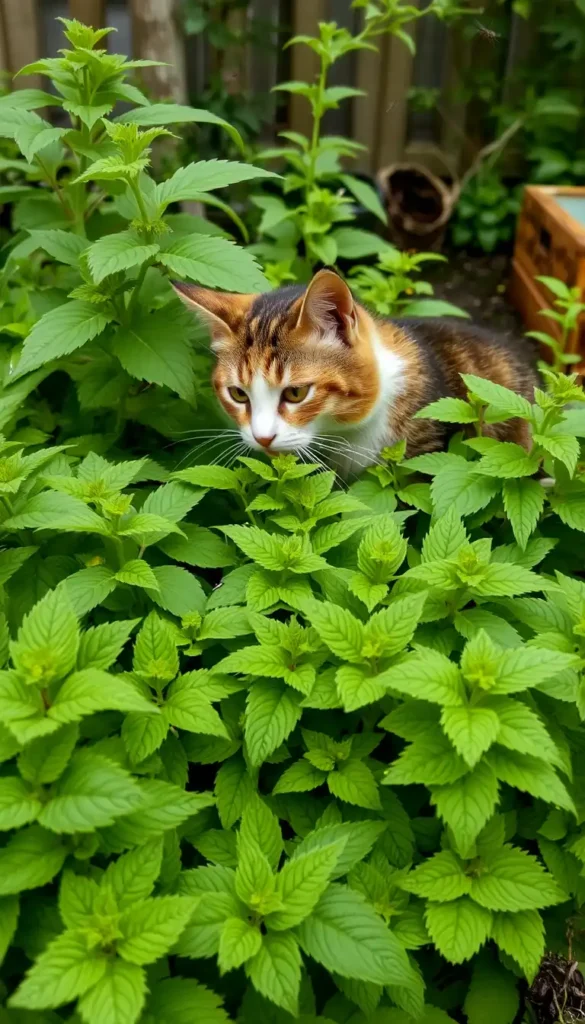
Best for: Mosquitoes.
Catnip contains nepetalactone, which has been proven to be even more effective than DEET in some studies. It’s also a fun plant for cat lovers—just be prepared for a few feline visitors!
Fun Fact: Catnip works best when crushed to release its oils.
🌼 11. Geraniums (Scented) – Mosquito-Repelling Blooms
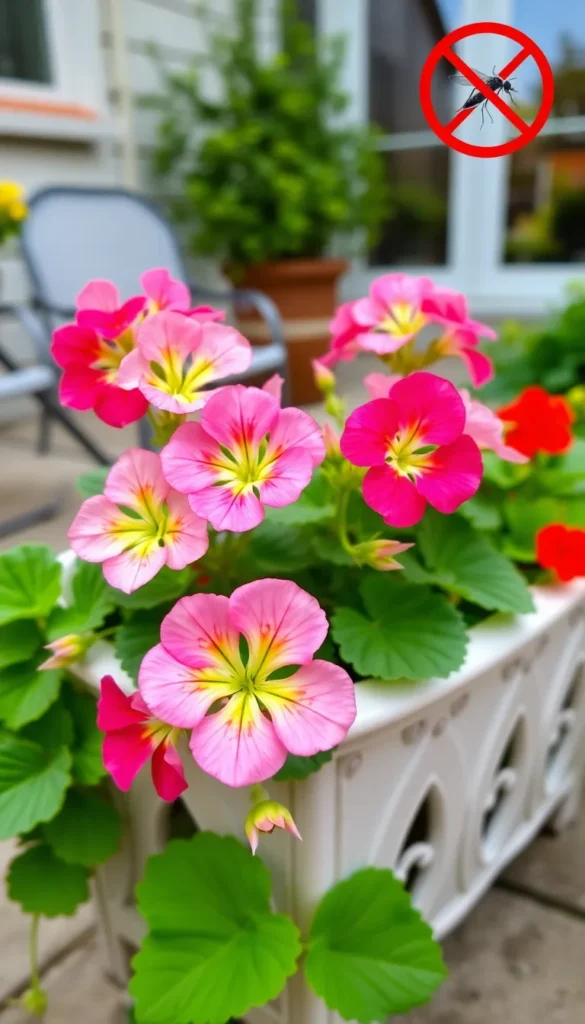
Best for: Mosquitoes.
Scented geraniums, especially the lemon-scented variety, contain geraniol and citronella. They offer bright flowers and bug-fighting power in one package.
Great For: Hanging baskets or containers near seating areas.
🌿 12. Mint – Fresh and Fearsome (to Bugs)
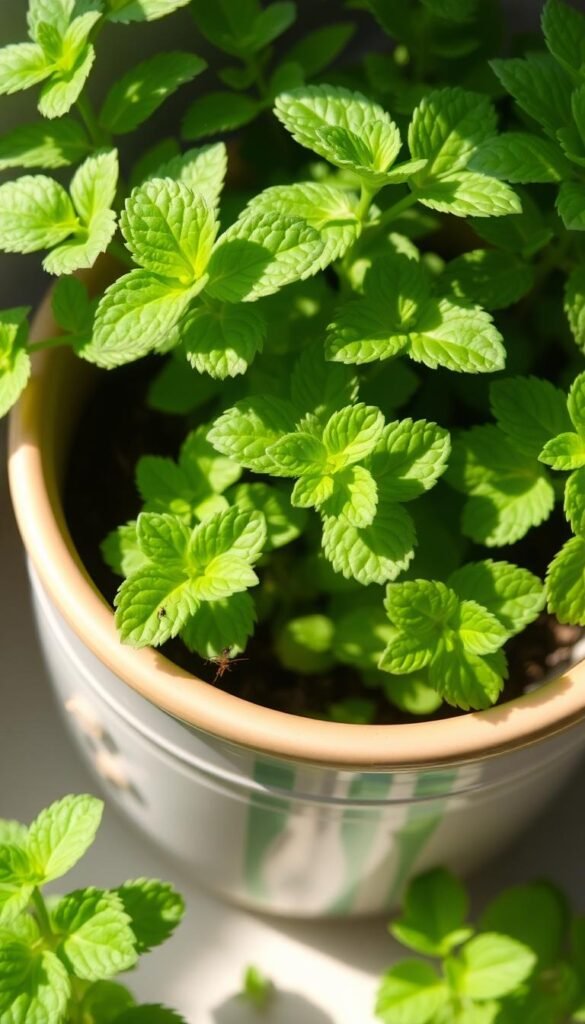
Best for: Ants, spiders, mosquitoes.
Like peppermint, standard mint varieties have strong scents that bugs dislike. It grows quickly (sometimes too quickly), so consider keeping it in pots.
Hack: Place mint leaves in sachets and keep them in your closet or pantry.
🌼 13. Alliums (Garlic, Onions, Chives) – Defensive Bulbs
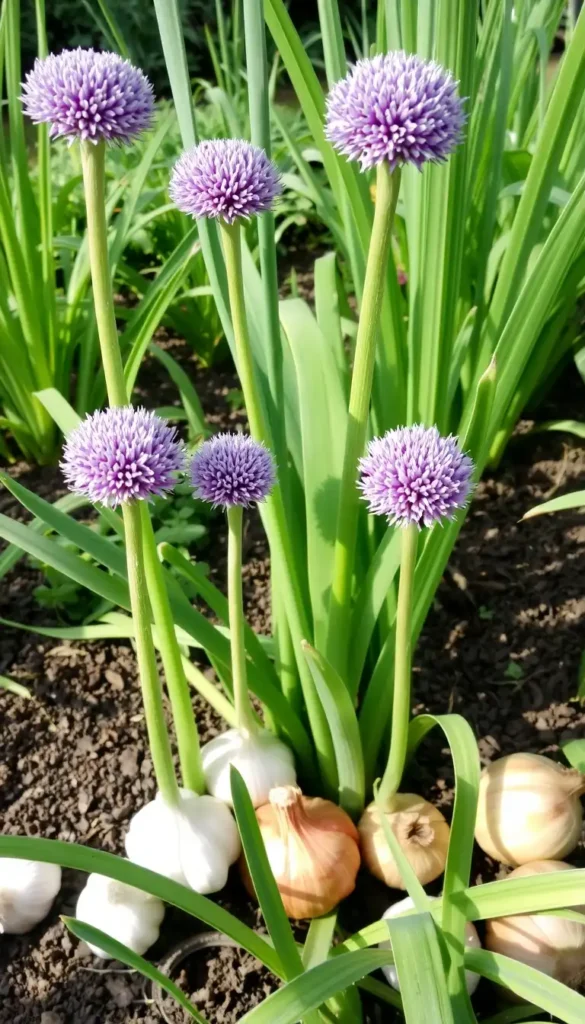
Best for: Aphids, slugs, carrot flies.
Members of the onion family release sulfur compounds that pests hate. Alliums are great companions in vegetable gardens and offer edible, pest-repelling benefits.
Did You Know? Garlic spray is a popular natural bug repellent.
🌿 14. Bay Laurel (Bay Leaves) – Kitchen Herb with Power
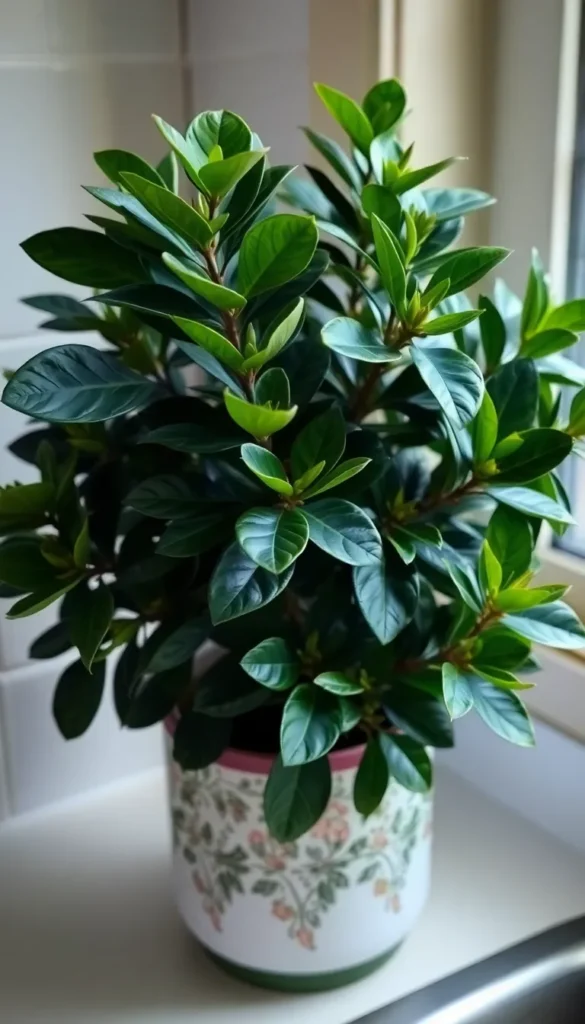
Best for: Flies, moths, roaches.
Bay leaves are commonly used in cooking but also work to keep bugs at bay. Crushed bay leaves release a smell that insects detest.
Tip: Place dried bay leaves in cupboards or under the sink to deter roaches.
🌼 15. Eucalyptus – Essential Oil Superstar
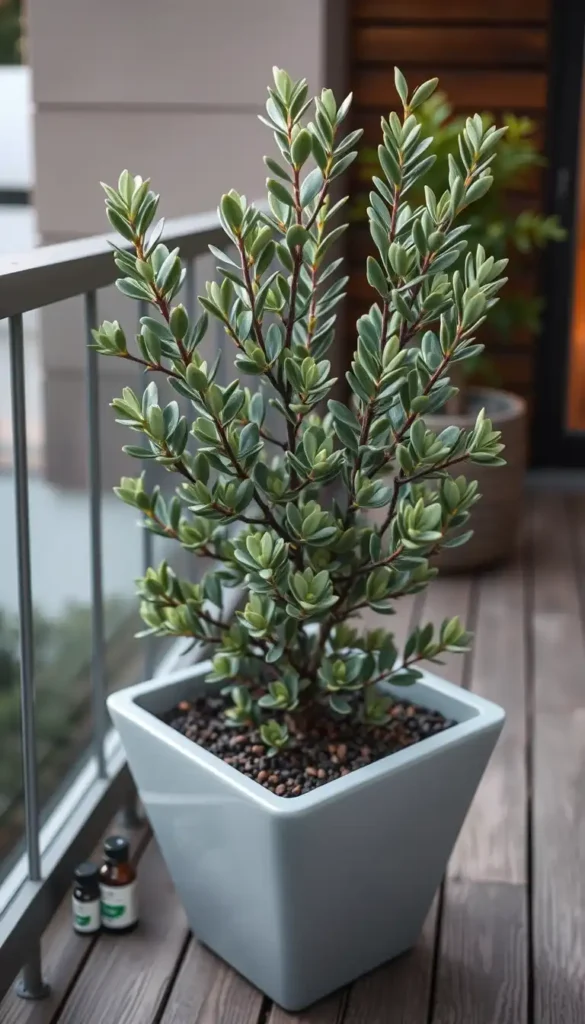
Best for: Mosquitoes, flies.
While eucalyptus trees are too large for small spaces, dwarf eucalyptus or potted varieties offer the same bug-fighting benefits. Its strong-smelling oils are commonly used in natural insect sprays.
Extra: Eucalyptus oil can also soothe bug bites.
🌿 16. Tansy – Powerful but Potent
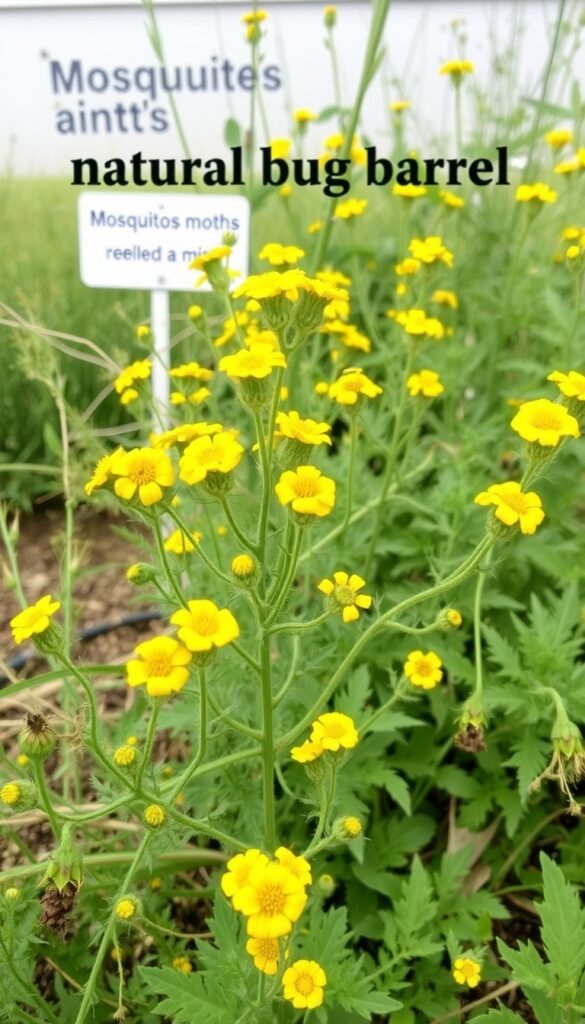
Best for: Ants, mosquitoes, flies, moths.
Tansy is a flowering plant with strong insect-repelling abilities. However, it should be used with caution—while effective, it can be toxic if ingested.
Garden Tip: Use as a border plant to keep bugs away from vegetables.
🌸 BONUS: How to Use These Plants Effectively
Planting these bug-repellent plants is a great start—but placement and care also matter.
✅ Plant Strategically
- Near windows and doors to prevent bugs from entering.
- Around seating areas or patios.
- In vegetable gardens as companion plants.
✅ Make DIY Repellent Sprays
Many of these plants can be used to make natural bug sprays. Boil the leaves in water, strain, and mix with a few drops of essential oil for a homemade remedy.
✅ Dry & Use Indoors
Lavender, bay leaves, mint, and rosemary can be dried and placed in closets, drawers, or sachets to continue repelling pests indoors.
🌿 Why Choose Plants Instead of Chemicals?
Using plants that naturally repel bugs offers several advantages:
- 🌱 Eco-Friendly: No need for synthetic pesticides.
- 👶 Family-Safe: Safer for kids and pets.
- 💸 Budget-Friendly: One-time planting offers long-term benefits.
- 🌸 Beautiful: Adds charm and greenery to your home.
✨ Final Thoughts
Bug season doesn’t have to mean bug bites, harsh sprays, or chemical fumes. These 16 plants that keep bugs away are nature’s own defense system—attractive, aromatic, and incredibly effective.
Whether you have a large garden or just a few pots on your windowsill, adding these plants can make your space more peaceful, healthy, and pest-free.
🔍 Frequently Asked Questions
Q: Can I grow these plants indoors?
Yes! Many, like basil, mint, and lavender, do well in pots near sunny windows.
Q: Will these plants repel all bugs?
They primarily deter common pests like mosquitoes, flies, and aphids. For more serious infestations, you may need additional solutions.
Q: How fast do these plants work?
Some plants offer immediate benefits through their scent. Others take a bit longer, especially when grown for repellent oils or sprays.